
Why Do Salmon Swim Upstream?


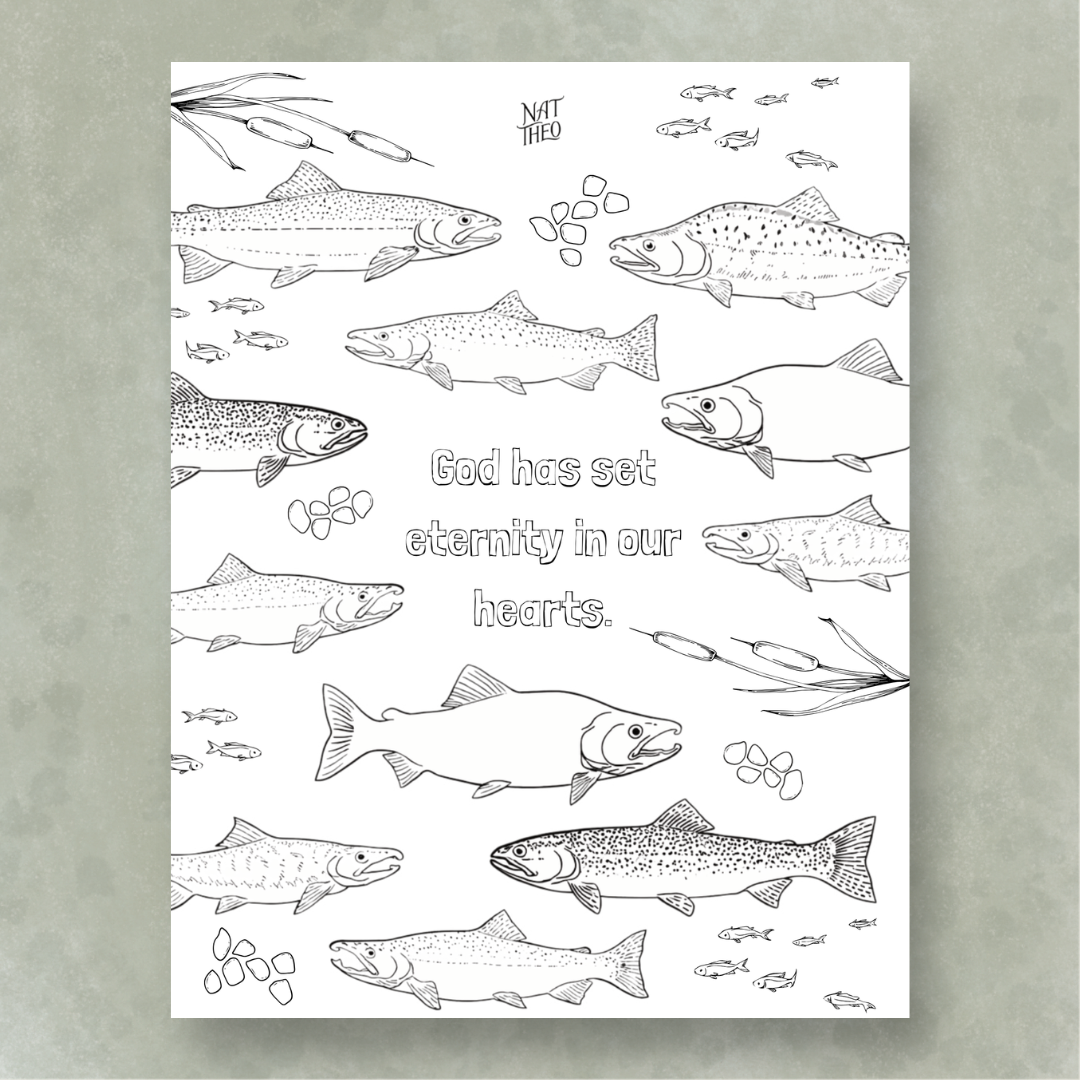
Salmon Coloring Sheet
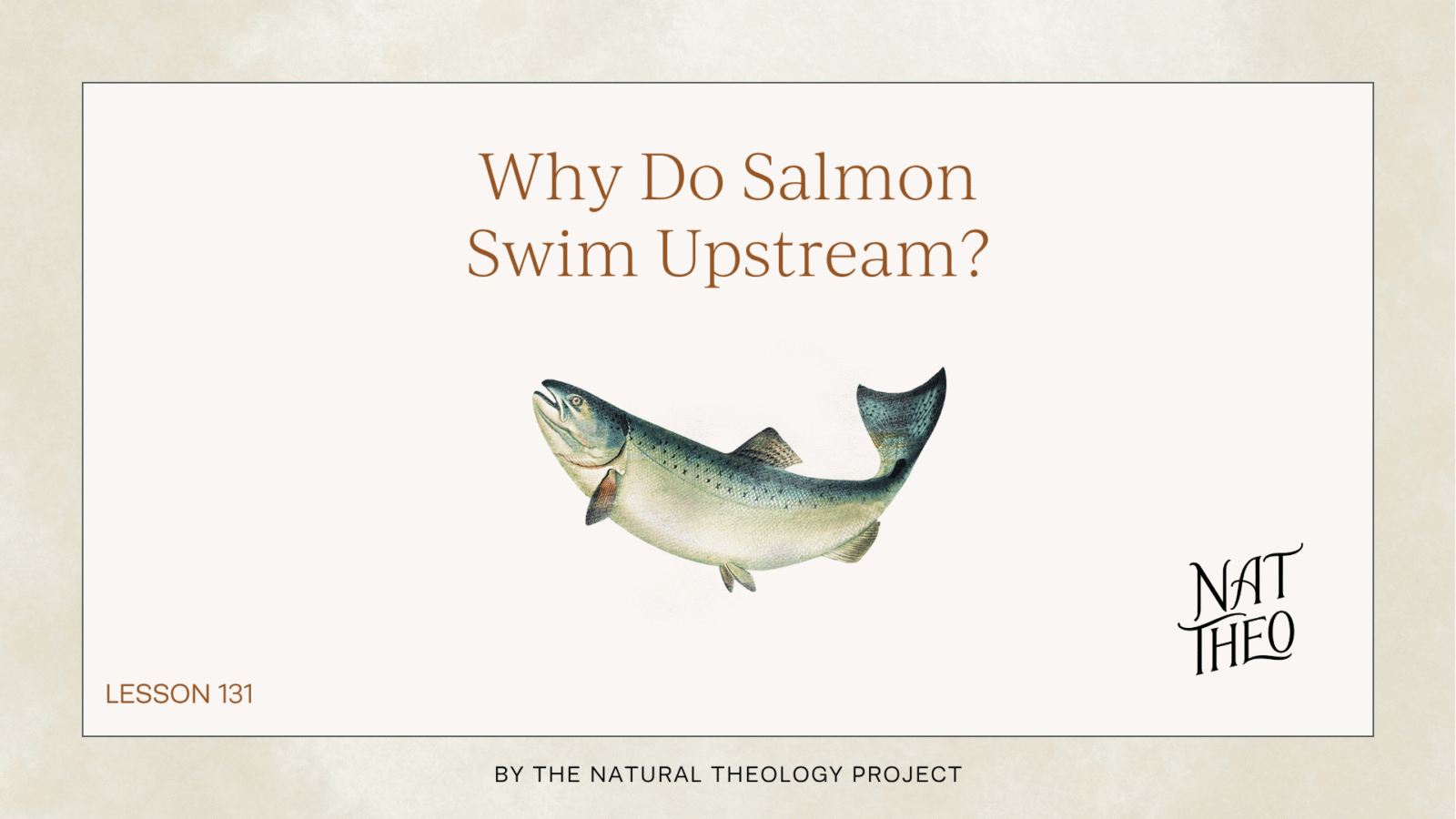
Why Do Salmon Swim Upstream?
Have you ever wondered why salmon swim upstream, fighting against strong river currents instead of going with the flow? It might seem like a strange and difficult journey, but it is an important part of how salmon live.
Salmon undergo a remarkable life cycle that involves moving between freshwater and saltwater. One of the most incredible parts of their journey is when they return upstream to where their lives first began.
Where Do Salmon Live Before Swimming Upstream?
Most salmon live part of their lives in two very different places. They are born in freshwater rivers and streams, but as they grow, they travel to the ocean.
Salmon are anadromous, meaning they are born in freshwater, live most of their lives in the ocean, and then return to freshwater to have babies.
As young fish, salmon grow in rivers before heading out to sea. After spending one and a half to eight years in the ocean, they begin their journey back.
Why Do Salmon Swim Upstream to Rivers?
Salmon swim upstream to reproduce, or have babies.
When it is time to lay eggs, salmon leave the ocean and return to freshwater rivers. This is where their life began, and it is where the next generation will begin, too.
Once they reach the river, the female salmon creates a nest in the gravel called a redd. She uses her body and tail to move stones and make a safe place for her eggs. Then she lays the eggs, and a male salmon fertilizes them so that baby salmon can grow.
Swimming upstream is not easy, but it is necessary for the continuation of salmon life.
How Do Salmon Find Their Way Upstream?
One of the most amazing parts of this journey is how salmon know where to go.
Salmon do not just swim into any river. They return to the exact stream where they were born, even if they have been away for years.
Scientists believe salmon use the Earth’s magnetic field to help guide them across long distances in the ocean. When they get closer to their home river, they rely on smell. As young fish, they memorize the unique scent of their stream. Later, they follow that scent back home.
This ability is called a homing instinct, and it allows salmon to complete their long and difficult journey.
What Happens After Salmon Reach Their Destination?
After reaching their breeding grounds and laying eggs, something surprising happens. Many salmon, especially Pacific salmon, die shortly after spawning.
While this may seem sad, their journey still serves an important purpose. Their bodies provide nutrients to the river and surrounding land, helping plants and animals thrive. In this way, salmon bring life not only through their offspring but also through the nutrients they return to the ecosystem.
A Journey Designed With Purpose
The upstream journey of salmon is challenging, but it is not without purpose. Every part of their life cycle works together to ensure the continuation of their species and the health of their environment.
As salmon press forward against the current, they complete a mission they were designed to fulfill, returning home so new life can begin again.
Learn more about salmon on our nature podcast for kids and families:
learn more
Raising kids stirs something deep in our souls — an innate knowing that our time is finite. Taking my kids outside in creation, I’m discovering how to stretch our time and pack it to the brim with meaning. God’s creativity provides the riches of resources for teaching the next generation who He is and how He loves us. Join our adventure and discover inspiration and resources for refusing rush, creating habits of rest, living intentionally, and making the most of this beautiful life!
I'm Eryn, Master Naturalist, Author, & Bible Teacher
Hey there!

Receive free inspirational resources for refusing rush, creating habits of rest, parenting with intentionality, and teaching our kids who God is through what He has made!
Inspired
Be


The Nature of Rest
What the Bible and Creation Teach Us About Sabbath Living
Now Available!
Order
X
Signed Copy
Add a Comment