
Why Do Moles Dig Tunnels?




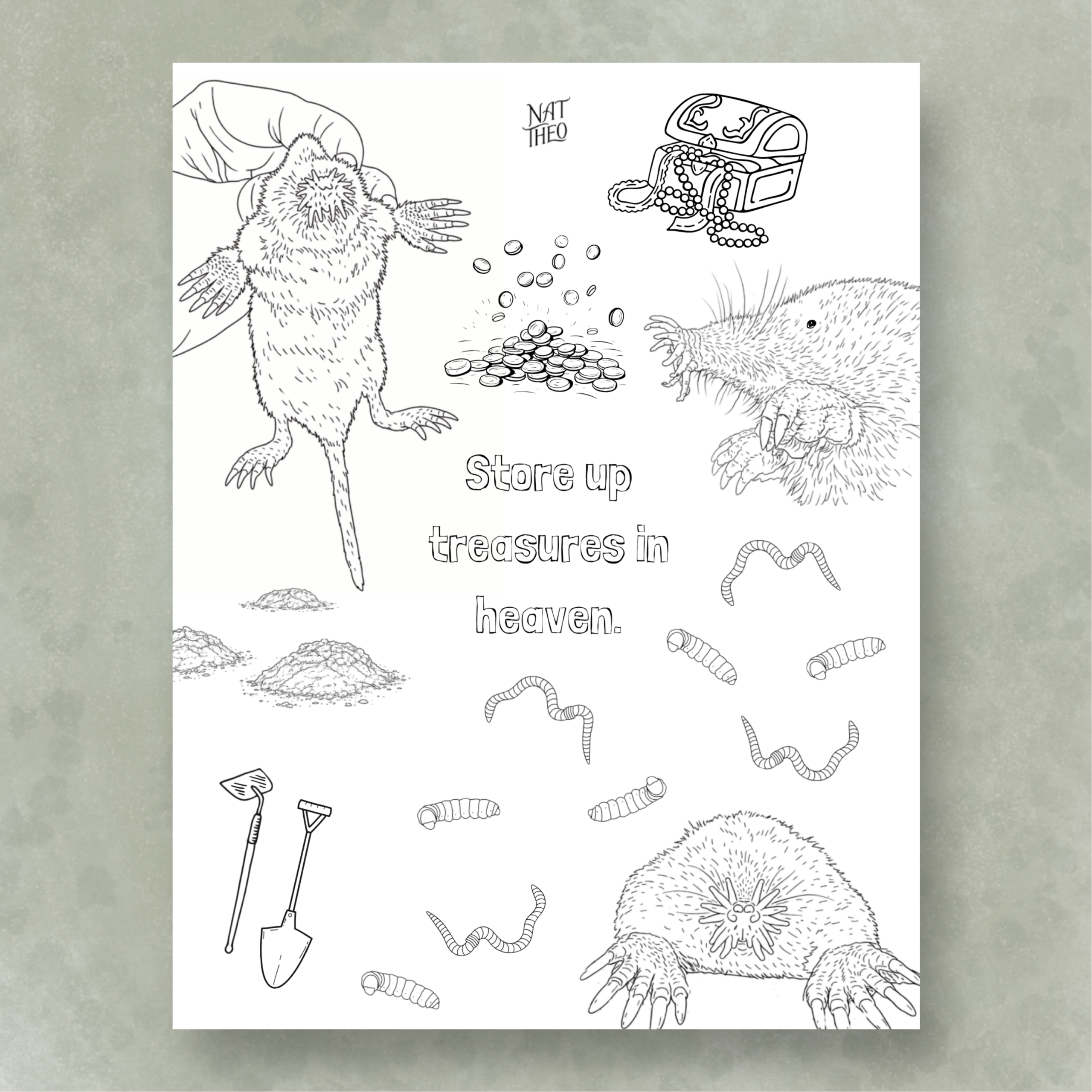
Star-Nosed Mole Coloring Sheet

Why Do Moles Dig Tunnels?
Have you ever seen raised lines of dirt winding through a yard or field? Those are often signs of tunnels just beneath the surface. But what animal made them, and why?
Moles are expert diggers, and they spend most of their lives underground. This leads us to an important question: why do moles dig tunnels?
What Is a Mole and Where Does It Live?
A mole is a mammal designed for life underground. Unlike animals we see every day, moles live in a hidden world beneath our feet.
They are found across much of the northern hemisphere, including North America, Europe, and Asia. But even if they live nearby, you might never see one. That’s because they spend nearly all their time hidden.
Moles are part of a group of animals specially designed for digging and living below the surface. This type of animal is called fossorial, meaning it is built for subterranean life.
Why Do Moles Dig Tunnels Underground?
Moles dig tunnels for several important reasons, all of which are connected to how they survive.
First, tunnels help them find food. Moles are insectivores, which means they eat insects, worms, and other small creatures. As they dig through the soil, they are searching for meals such as grubs, beetles, snails, and especially earthworms.
Second, tunnels give moles a place to live. Instead of building nests above ground, moles create entire underground systems. These tunnels include pathways for travel and special chambers for rest and food storage.
Third, tunnels provide protection. Living below the ground keeps moles hidden from many dangers above the ground. Their tunnel systems act like safe passageways where they can move around without being easily seen.
How Are Moles Designed for Digging Tunnels?
Moles are not just animals that happen to dig. They are carefully designed for it.
They have very strong shoulder muscles that allow them to push through soil. Their front paws are shaped like wide paddles and face outward, acting like built-in shovels. Long, sharp claws help them break through the dirt with ease.
Their fur is also unique. It is thick and can lie flat in any direction. This allows a mole to move forward or backward through tunnels without getting stuck or uncomfortable.
Even their faces are designed for underground work. Their eyes are tiny and mostly used to sense light and dark. Their ears are small openings covered by fur, helping keep dirt out. Instead of relying on sight, moles use special touch sensors on their noses to understand their surroundings.
All of these features work together, helping moles dig quickly and efficiently. In fact, a mole can dig around 150 feet of new tunnels in a single day
What Do Moles Do Inside Their Tunnels?
Mole tunnels are more than just passageways. They are busy, working environments.
Moles move through their tunnels in search of food, often eating very quickly. They can find and eat prey in less than a second. To meet their energy needs, they may eat a large amount of food each day, sometimes up to their own body weight.
They also create special storage rooms called larders. These underground spaces hold food for later, helping moles survive when food is harder to find.
A Closer Look at God’s Design
When we look at a mole’s tunnels, we might first think of the mess they leave behind. But when we look closer, we can see something more.
Moles are designed with purpose. Their strong bodies, unique fur, and specialized senses all work together to help them thrive underground. Even their tunneling can benefit the soil by loosening it and helping control insect populations.
Moles remind us that God created every creature with care, even those we rarely see. Beneath the surface, a whole world is at work, designed with wisdom and purpose.
And sometimes, all it takes is a small line of dirt in the yard to remind us of that hidden wonder.
Learn more about star-nosed moles on our nature podcast for kids and families:

learn more
Raising kids stirs something deep in our souls — an innate knowing that our time is finite. Taking my kids outside in creation, I’m discovering how to stretch our time and pack it to the brim with meaning. God’s creativity provides the riches of resources for teaching the next generation who He is and how He loves us. Join our adventure and discover inspiration and resources for refusing rush, creating habits of rest, living intentionally, and making the most of this beautiful life!
I'm Eryn, Master Naturalist, Author, & Bible Teacher
Hey there!

Receive free inspirational resources for refusing rush, creating habits of rest, parenting with intentionality, and teaching our kids who God is through what He has made!
Inspired
Be


The Nature of Rest
What the Bible and Creation Teach Us About Sabbath Living
Now Available!
Order
X
Signed Copy
Add a Comment