
Why Do Flies Rub Their Hands Together?


Have you ever watched a fly land nearby and begin rubbing its front legs together? It almost looks like the fly is excited about finding its next meal. But is that really what’s happening?
While flies may seem like simple insects, God designed them with incredible features that help them fly, balance, cling to surfaces, and even taste their food. One of the most curious behaviors of a housefly is the way it rubs its “hands” together.
The answer might surprise you: flies rub their feet together to stay clean.
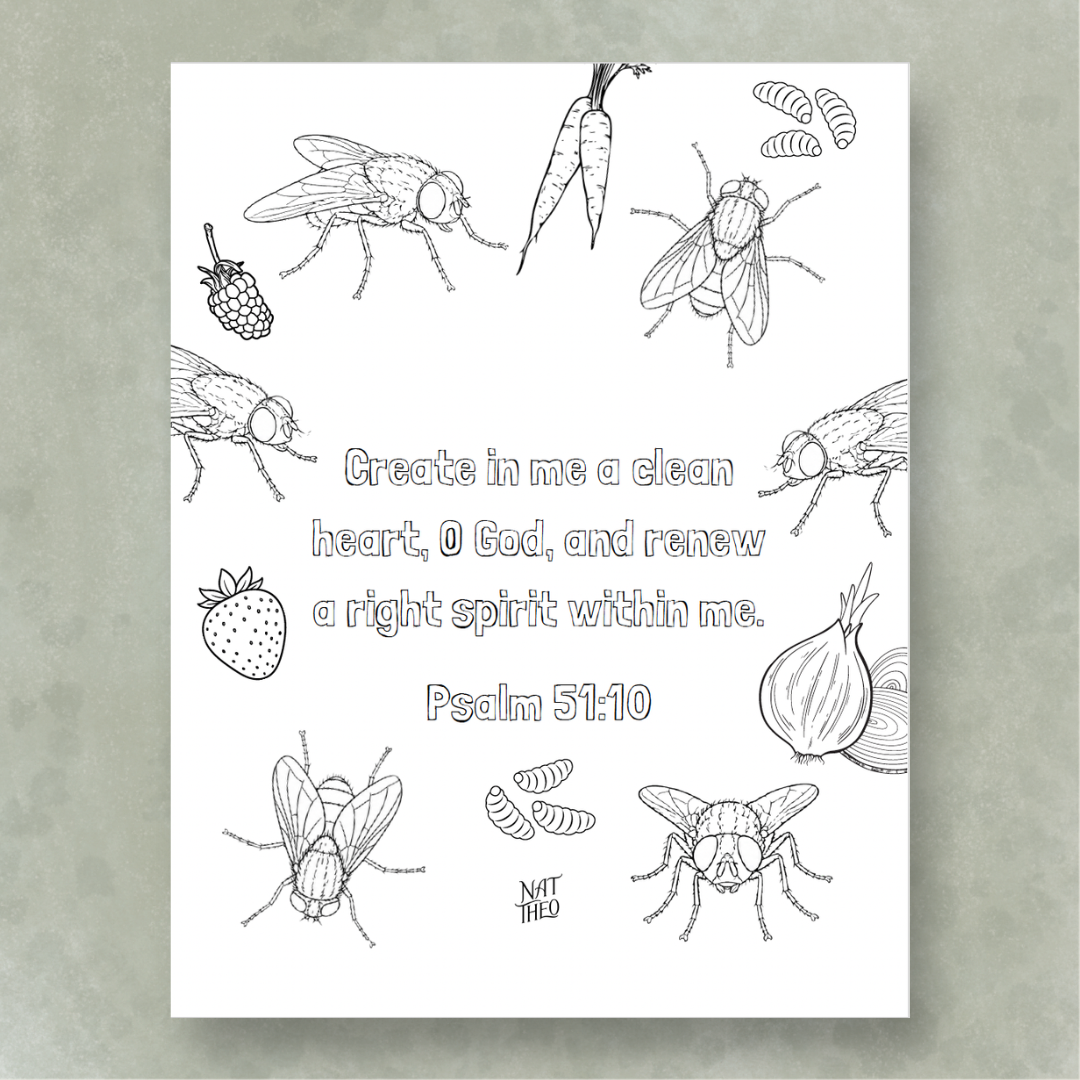
Why Do Flies Rub Their Hands Together Coloring Sheet

Why Do Flies Clean Their Feet?
What look like a fly’s hands are actually its front feet. Like all insects, flies have six legs, and they spend a lot of time cleaning them.
This may seem surprising because flies are often found in places we consider dirty, such as garbage, animal waste, rotting meat, or animal carcasses. Yet flies care a great deal about cleanliness.
The reason is simple. Flies need their feet to gather important information about the world around them.
As flies walk across surfaces all day, dirt and debris can build up on their feet. To keep their sensing abilities working properly, they regularly clean themselves by rubbing their feet together and brushing other parts of their bodies.
Can Flies Really Taste With Their Feet?
One of the most fascinating facts about flies is that they can taste with their feet.
Flies have special sensors called chemoreceptors on their feet. These tiny sensors help them detect chemicals and determine whether something is good to eat before they begin feeding.
This means a fly can land on a surface and quickly gather information about potential food sources.
Because these chemoreceptors are so important, flies need to keep them clean and functioning properly. Rubbing their feet together helps remove dirt that could interfere with their ability to sense and taste.
How Do Flies Clean Themselves?
A fly’s cleaning routine involves more than just rubbing its feet together.
If you watch closely, you may notice a fly using its legs to clean its head, eyes, wings, and back. The front legs are covered in tiny hairs that act like cleaning brushes. These help remove debris and keep the fly’s many sensors clear and working properly.
God designed flies with sensors on their feet, antennae, halteres, and other parts of their bodies. Keeping these sensing tools clean helps flies navigate their environment and find food.
More Than Just a Pesky Insect
Although flies can be annoying when they buzz around a picnic table or land on your food, they are remarkable examples of God’s creativity.
Their bodies are packed with specialized designs, from balancing organs called halteres to sticky foot pads that help them walk across ceilings. Even the simple act of rubbing their feet together reveals thoughtful design and purpose.
The next time you see a fly cleaning itself, take a closer look. What may seem like a funny habit is actually an important part of how God designed this tiny insect to survive and thrive in its world.
Learn more about houseflies on our nature podcast for kids and families:
learn more
Raising kids stirs something deep in our souls — an innate knowing that our time is finite. Taking my kids outside in creation, I’m discovering how to stretch our time and pack it to the brim with meaning. God’s creativity provides the riches of resources for teaching the next generation who He is and how He loves us. Join our adventure and discover inspiration and resources for refusing rush, creating habits of rest, living intentionally, and making the most of this beautiful life!
I'm Eryn, Master Naturalist, Author, & Bible Teacher
Hey there!

Receive free inspirational resources for refusing rush, creating habits of rest, parenting with intentionality, and teaching our kids who God is through what He has made!
Inspired
Be


The Nature of Rest
What the Bible and Creation Teach Us About Sabbath Living
Now Available!
Order
X
Signed Copy
Add a Comment