
How Long Is a Frog’s Tongue?


If you’ve ever watched a cartoon frog catch a fly, you’ve probably seen its tongue stretch far across the screen. These funny images make many people wonder: how long is a frog’s tongue?
The answer may surprise you.
While frogs do have long tongues compared to their body size, they are not nearly as long as cartoons often make them seem. In reality, their tongues are usually around one inch long and can easily fit inside their mouths.
Even though that may not sound impressive, it is quite long compared to the frog’s body. A frog’s tongue is often about one-third to one-half the length of its body.
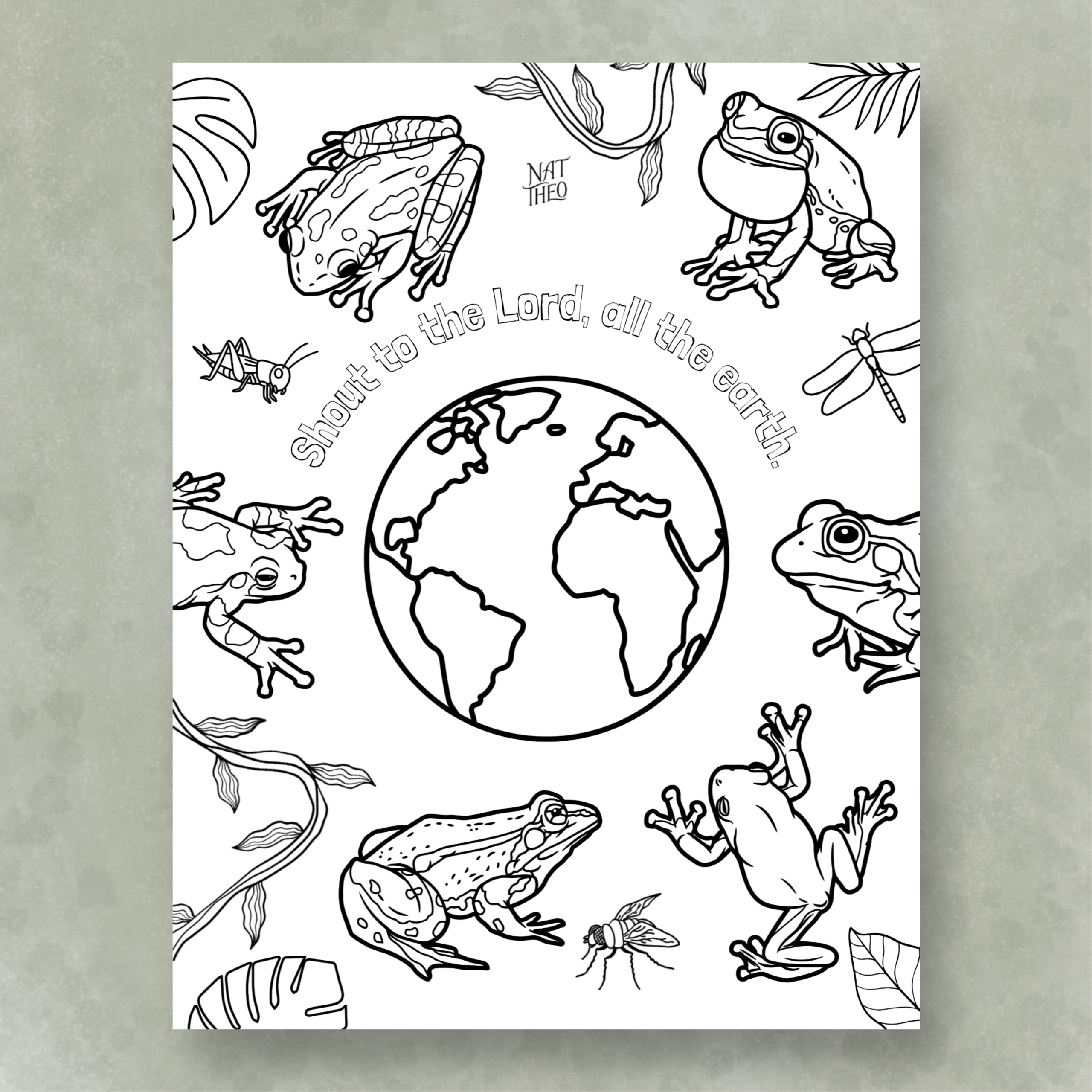
Frog Coloring Sheet
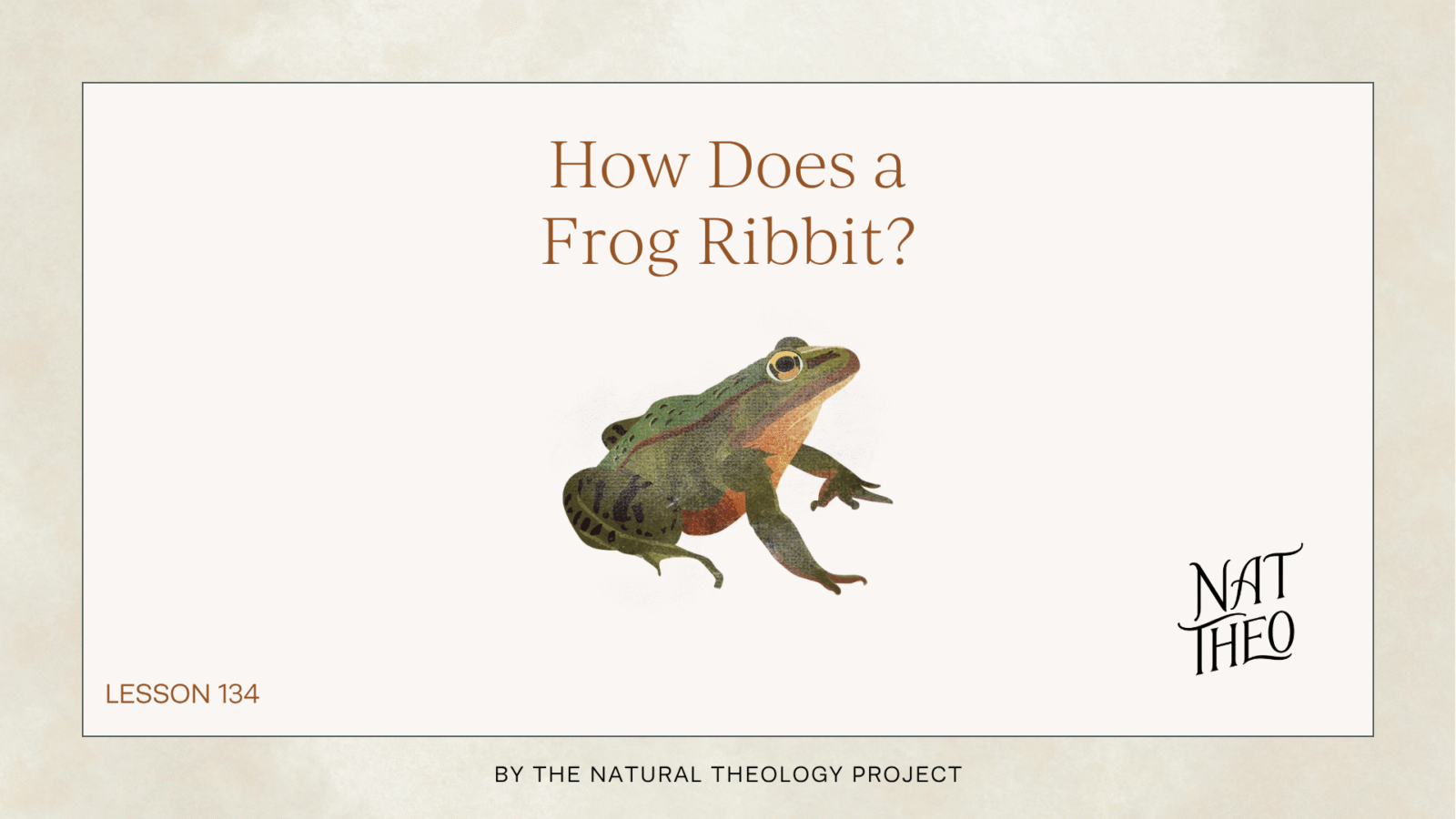
Where Is a Frog’s Tongue Attached?
If you touch your tongue, you’ll notice it is attached at the back of your mouth. A frog’s tongue, however, is attached at the front of its mouth. The tip points backward toward its throat when resting.
When it is time to catch an insect, the tongue flips forward from the front of the lower jaw and launches toward its prey. This unique design helps frogs capture food quickly and efficiently.
How Fast Can a Frog’s Tongue Move?
When a frog spots an insect, it can launch its tongue five times faster than a person can blink an eye.
The insect has almost no chance of escaping. The tongue shoots out so quickly that the prey experiences tremendous force as it is pulled toward the frog’s mouth.
God designed this feeding system with remarkable precision. In a fraction of a second, the frog’s tongue extends, captures the insect, and retracts back into the mouth.
Why Is a Frog’s Tongue So Sticky?
A frog’s saliva changes during the feeding process. Before catching prey, the saliva is thinner and runnier. As the tongue launches toward an insect, the saliva rapidly becomes much thicker and stickier. This change in viscosity helps the tongue securely grab the insect.
Once the prey is safely inside the frog’s mouth, the saliva becomes thinner again, making it easier to swallow.
An Amazing Design
God designed frog tongues to be fast, soft, and to create runny and sticky saliva. Their tongues can launch faster than we can blink, become extremely sticky when needed, and then quickly return to a more liquid state for swallowing.
The next time you see a frog sitting quietly near a pond, remember that hidden inside its mouth is an impressive insect-catching tool. What seems simple at first glance reveals another amazing example of God’s wisdom and creativity in creation.
Learn more about frogs on our nature podcast for kids and families:
learn more
Raising kids stirs something deep in our souls — an innate knowing that our time is finite. Taking my kids outside in creation, I’m discovering how to stretch our time and pack it to the brim with meaning. God’s creativity provides the riches of resources for teaching the next generation who He is and how He loves us. Join our adventure and discover inspiration and resources for refusing rush, creating habits of rest, living intentionally, and making the most of this beautiful life!
I'm Eryn, Master Naturalist, Author, & Bible Teacher
Hey there!

Receive free inspirational resources for refusing rush, creating habits of rest, parenting with intentionality, and teaching our kids who God is through what He has made!
Inspired
Be


The Nature of Rest
What the Bible and Creation Teach Us About Sabbath Living
Now Available!
Order
X
Signed Copy
Add a Comment