
Why Do Trees Have Bark?


Trees have bark to protect their living inner layers from injury, insects, disease, harsh weather, fire, and water loss. This tough outer covering acts like armor, insulation, sunscreen, and even firefighter gear, helping trees stay healthy and continue growing.
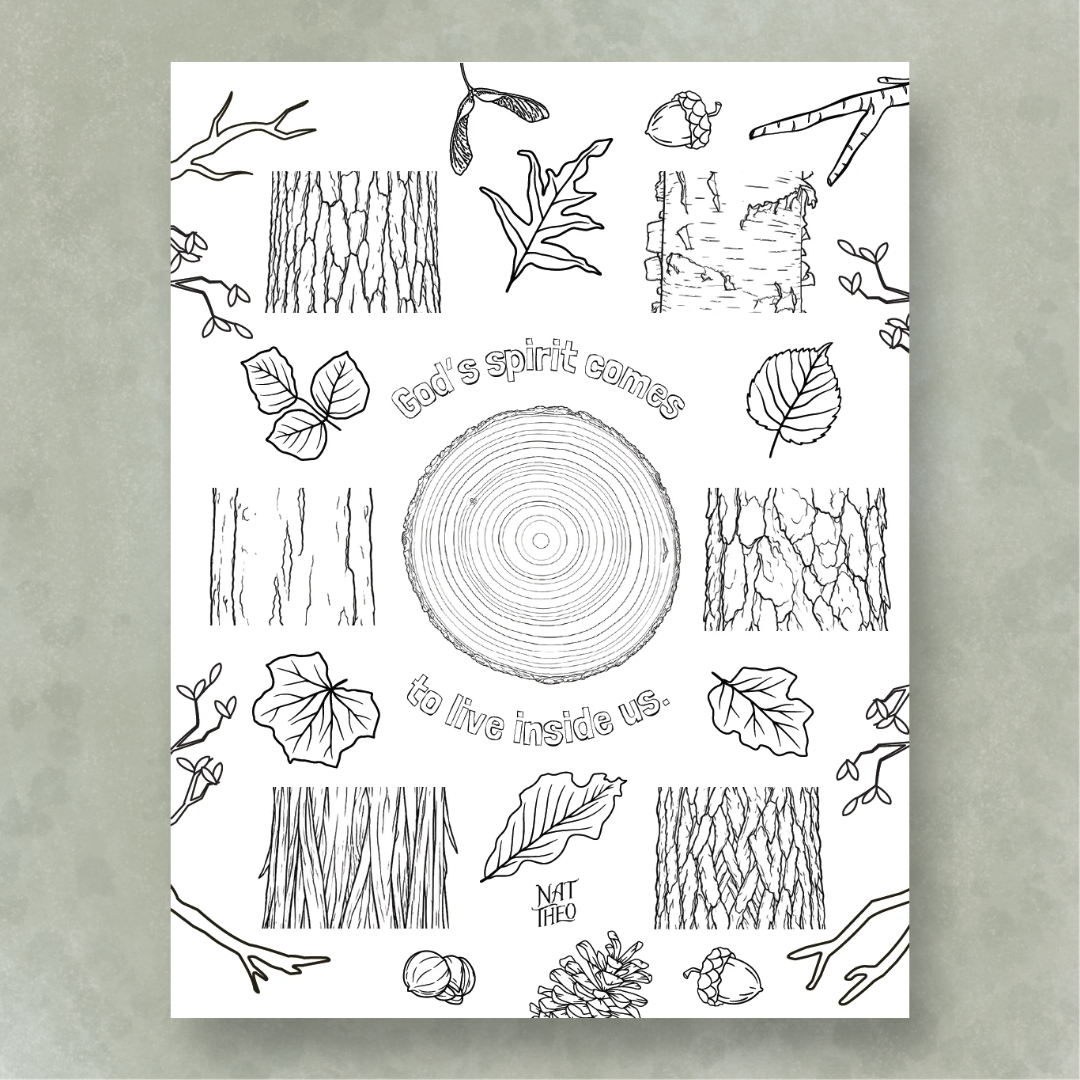
Tree Bark Coloring Sheet
What Is Tree Bark Made Of?
Tree bark is more than just the rough covering we see on a tree trunk. A tree’s trunk has several layers, and each one has an important job.
One important layer is the cambium. This thin layer of living cells acts like a factory, making new cells that help the tree grow wider.
On the inside, the cambium produces xylem, tube-like cells that carry water and nutrients from the roots throughout the tree. As these cells die, they become the wood that supports the tree.
On the outside, the cambium produces phloem, which carries sugars made in the leaves to the rest of the tree. These living cells make up the inner bark.
Another layer, called the cork cambium, creates cells that quickly die and become the rough outer bark. This creates the tough covering that protects the tree.
Why Do Different Trees Have Different Bark?
Have you noticed that some trees have smooth bark while others have rough, flaky, or peeling bark? Tree bark can also come in different colors, including brown, red, green, and white.
These differences are not random. The cork cambium creates different bark types depending on the tree. Bark color depends on the chemical compounds inside it and how those compounds reflect different colors of light.
A tree’s bark can even help us identify what kind of tree we are looking at!
How Does Tree Bark Protect a Tree?
A tree’s outer bark has several important jobs. Think of it as a tree’s built-in protective gear!
- A water bottle: Bark helps keep important water inside the tree, preventing it from losing too much when the air outside is dry.
- Armor: Bark protects the sugary inner bark from insects and animals that might eat it.
- A warm coat: Bark insulates the tree during harsh winters, helping keep the trunk warm so it doesn’t crack or burst.
- Sunscreen: The white powder on aspen bark comes from dead bark cells and helps protect the tree from harsh sunlight.
- Firefighter gear: Outer bark helps protect the living inner bark and wood when wildfires pass through.
What Happens If a Tree Loses Its Bark?
Sometimes bark peels naturally or comes off in chunks as a tree grows wider. This is normal because a healthy tree is growing new layers of bark.
However, damaged bark can leave a tree vulnerable to disease and insect infestations. The sugary inner bark can become exposed and dry out. If the inner bark or cambium layer is damaged, sugars may no longer flow through the tree as they should, and the tree can eventually die.
God designed tree bark with an important purpose: protecting the living layers inside so the tree can keep growing.
The next time you look at a tree, take a closer look at its bark. Notice its color and texture, and remember all the ways this amazing outer covering protects the tree!
Learn more about tree bark on our nature podcast for kids and families:
learn more
Raising kids stirs something deep in our souls — an innate knowing that our time is finite. Taking my kids outside in creation, I’m discovering how to stretch our time and pack it to the brim with meaning. God’s creativity provides the riches of resources for teaching the next generation who He is and how He loves us. Join our adventure and discover inspiration and resources for refusing rush, creating habits of rest, living intentionally, and making the most of this beautiful life!
I'm Eryn, Master Naturalist, Author, & Bible Teacher
Hey there!
Receive free inspirational resources for refusing rush, creating habits of rest, parenting with intentionality, and teaching our kids who God is through what He has made!
Inspired
Be


The Nature of Rest
What the Bible and Creation Teach Us About Sabbath Living
Now Available!
Order
X
Signed Copy
Add a Comment