
Can a Honey Badger Eat a Venomous Cobra?



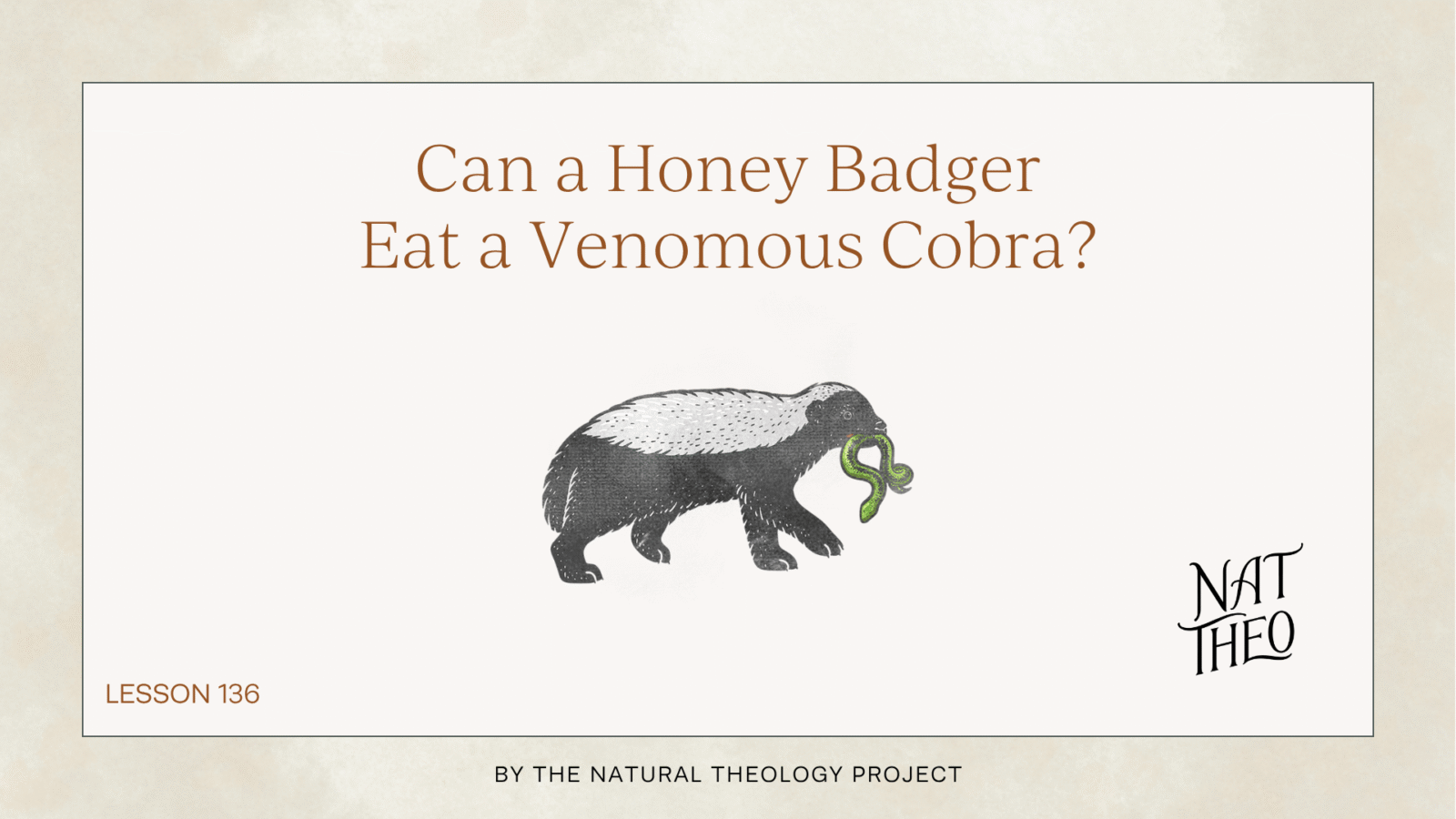
The honey badger has been described in the Guinness Book of World Records as the “most fearless animal in the world.” From raiding beehives to standing up to dangerous predators, this remarkable creature seems ready to take on almost anything. But can a honey badger really eat a venomous cobra?
The answer is yes.
Honey badgers are known for going after stinging and venomous prey, including scorpions and venomous snakes. In some cases, they will even eat a cobra. This unusual behavior is one reason they have earned a reputation for toughness and fearlessness.
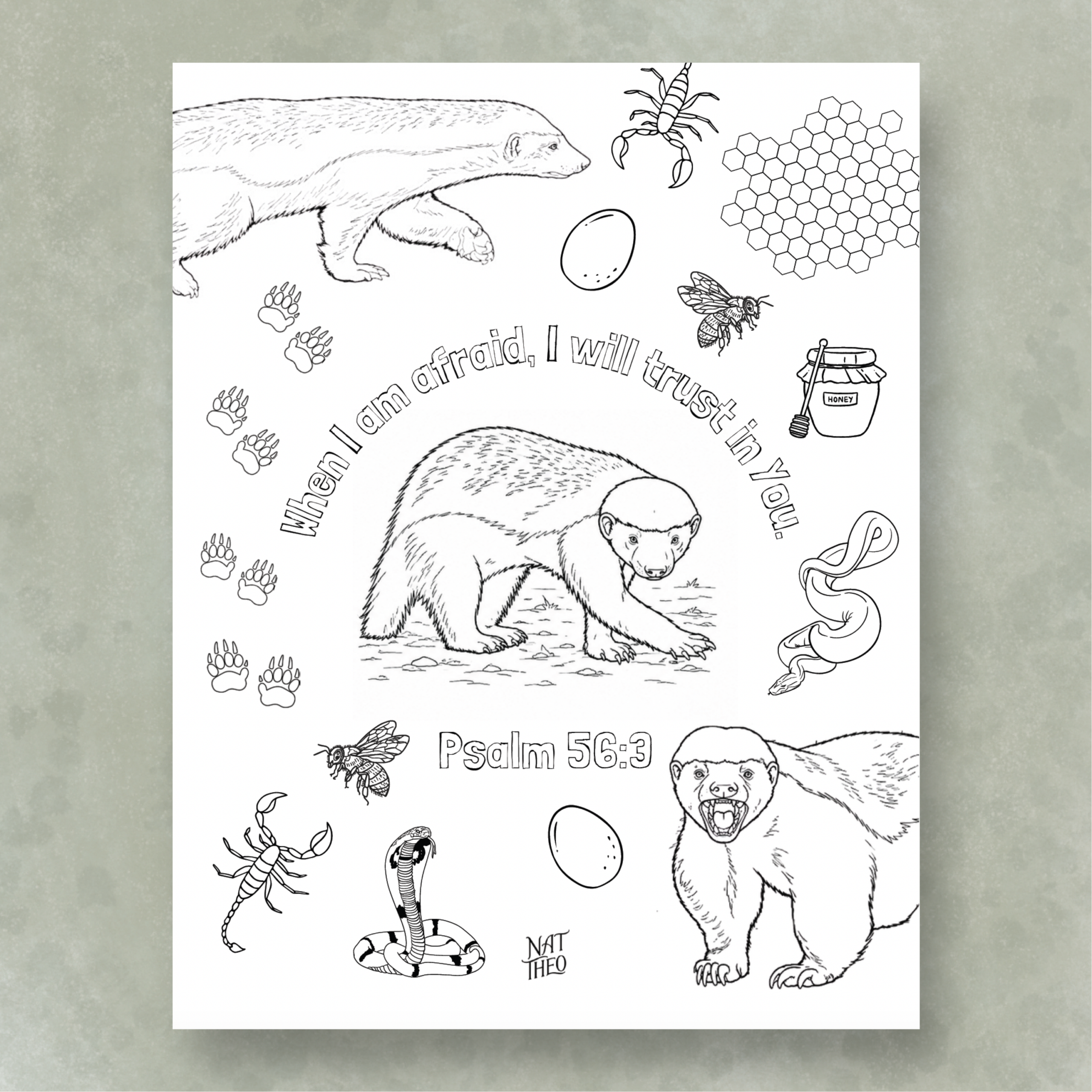
Honeybadger Coloring Sheet
What Is a Honey Badger?
A honey badger is a mammal in the Mustelidae family, which includes otters, weasels, ferrets, badgers, and wolverines. Honey badgers live in Africa, the Arabian Peninsula, the Indian Peninsula, and parts of western Asia. They are about the size of a small dog and have a distinctive black-and-white coat.
Although their name includes the word “badger,” they are not true badgers. Honey badgers are so unique that they have their own genus, called Mellivora.
Does a Bird Help Honey Badgers Find Honey?
One of the most famous honey badger stories involves a bird called a honeyguide.
Honeyguide birds are known for leading human honey hunters to wild beehives. After people gather honey, the birds feed on leftover beeswax, insects, and bee larvae. Some honey-hunting communities even use special calls to attract these birds to help them find hives.
For many years, people claimed that honeyguides also led honey badgers to beehives. Researchers investigated this idea by interviewing nearly 400 honey hunters across Africa. Most reported that they had never observed honey badgers and honeyguide birds working together. However, in parts of Tanzania, many people reported seeing this unusual partnership.
The evidence suggests that honey badgers and honeyguides may sometimes work together in a small area of Tanzania, but it is not a widespread behavior.
How Can a Honey Badger Survive a Cobra Bite?
Honey badgers are equipped with several remarkable defenses.
Their thick fur and loose, durable skin help protect them from bee stings and predator attacks. They also have a high tolerance for pain, allowing them to continue raiding beehives even when stung.
When it comes to venomous snakes, honey badgers have another advantage. Some snake venom does not attach as easily to receptors in their muscles. This helps protect them from the effects of certain snake venoms, including cobra venom.
This does not mean honey badgers are completely immune. A venomous bite can still make them sick. In some cases, a honey badger may stumble around or even pass out after a cobra bite. But it can recover and continue on, sometimes even eating the cobra afterward.
One of God’s Toughest Creatures
Honey badgers are famous for breaking into beehives, surviving stings, resisting some snake venom, and defending themselves against predators.
Whether they are searching for honey or facing a venomous cobra, honey badgers remind us of the incredible ways God designed creatures to thrive in their environments.
Learn more about can a honey badger eat a venomous cobra on our nature podcast for kids and families:

learn more
Raising kids stirs something deep in our souls — an innate knowing that our time is finite. Taking my kids outside in creation, I’m discovering how to stretch our time and pack it to the brim with meaning. God’s creativity provides the riches of resources for teaching the next generation who He is and how He loves us. Join our adventure and discover inspiration and resources for refusing rush, creating habits of rest, living intentionally, and making the most of this beautiful life!
I'm Eryn, Master Naturalist, Author, & Bible Teacher
Hey there!

Receive free inspirational resources for refusing rush, creating habits of rest, parenting with intentionality, and teaching our kids who God is through what He has made!
Inspired
Be


The Nature of Rest
What the Bible and Creation Teach Us About Sabbath Living
Now Available!
Order
X
Signed Copy
Add a Comment