
Is a Shoebill a Stork?



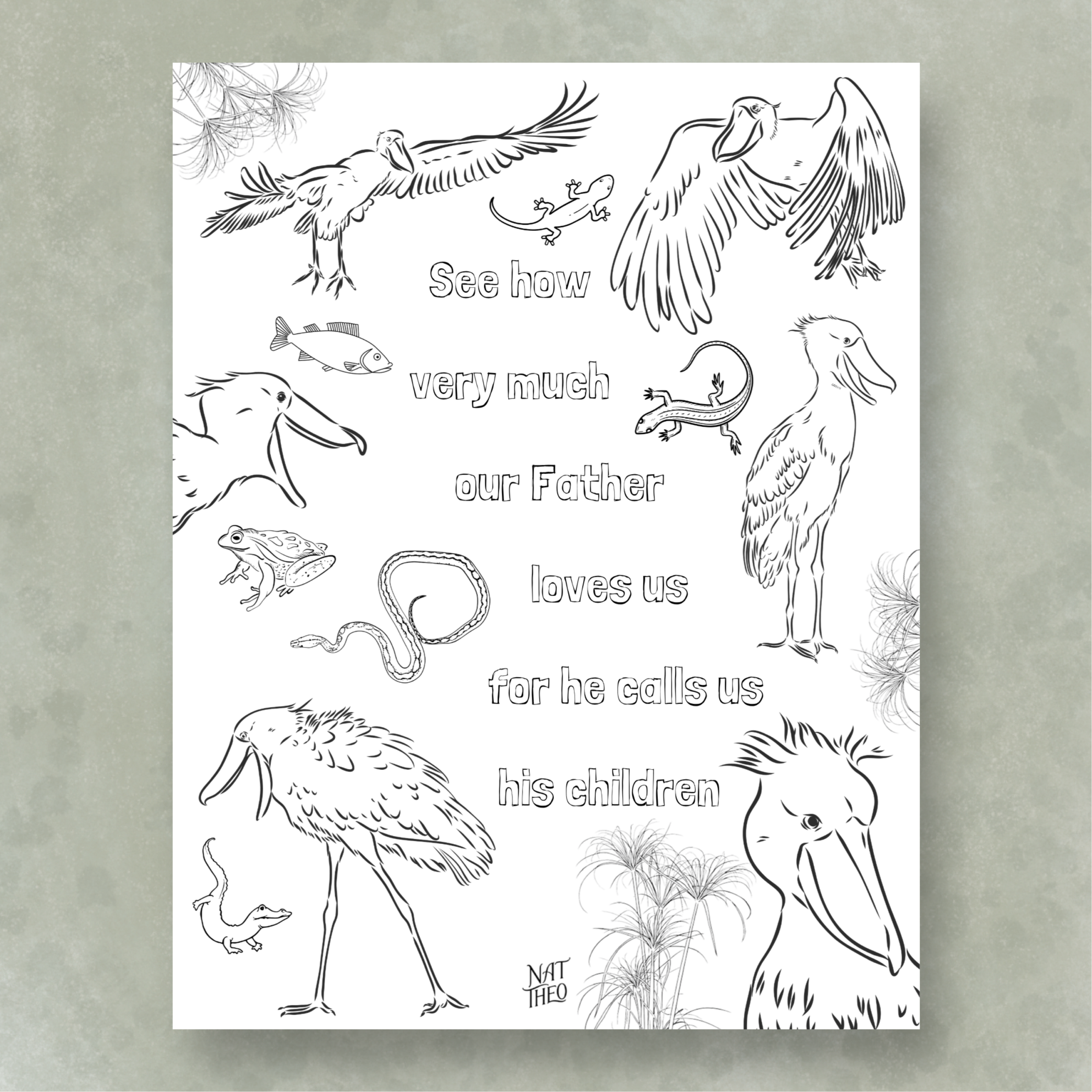
Shoebill Coloring Sheet
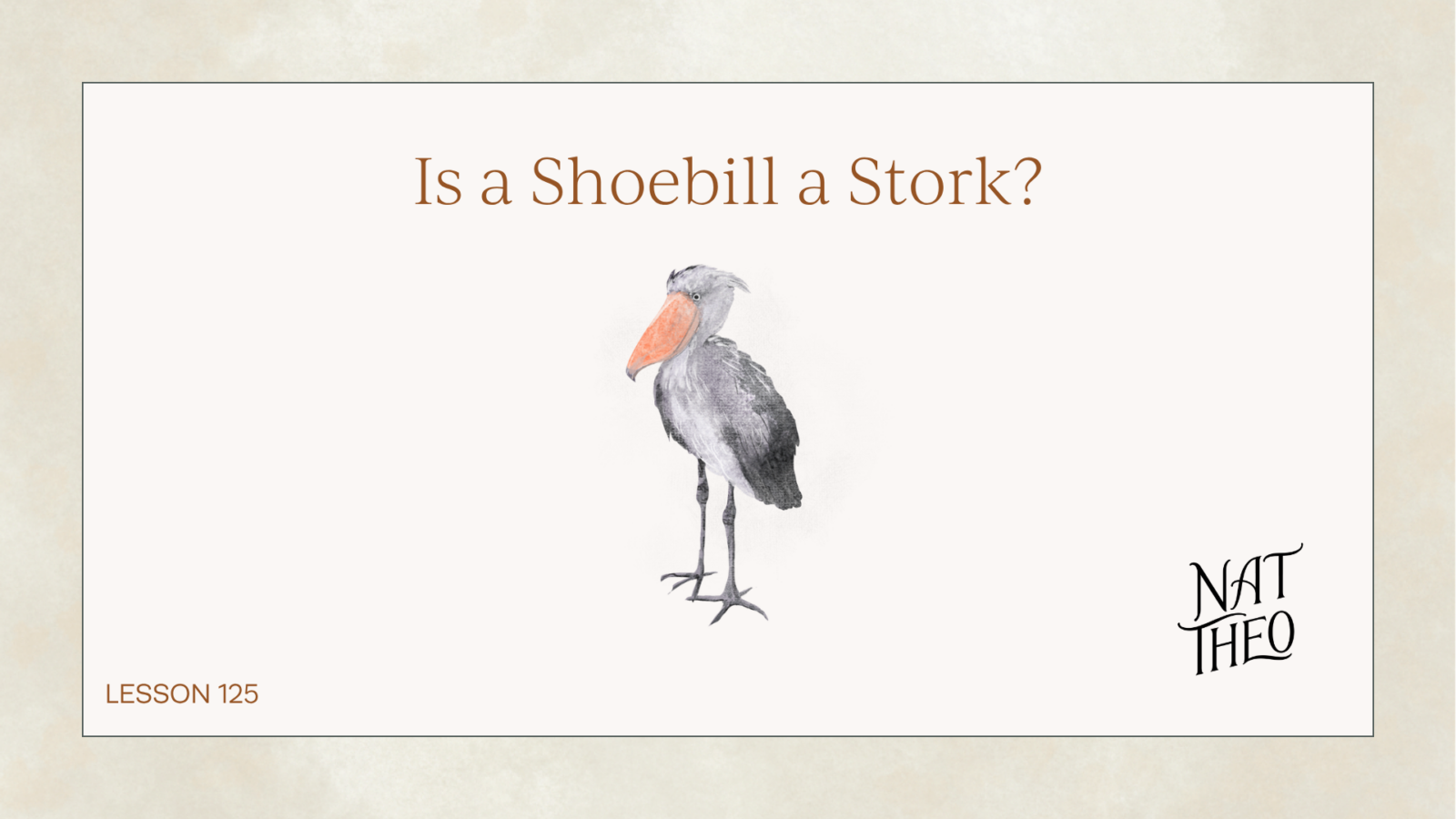
Is a Shoebill a Stork?
Have you ever seen a bird that looked so unusual you wondered if it was even real? That’s exactly how many people feel when they first see a shoebill. With its massive, shoe-shaped bill, towering height, and piercing eyes, it certainly stands out.
Because of its appearance, many people ask an important question: Is a shoebill a stork?
Why Do People Think a Shoebill Is a Stork?
Shoebills are often called “shoebill storks,” and for a long time, scientists believed they actually were a type of stork.
This confusion makes sense. Shoebills have long legs, large bodies, and behaviors similar to storks. Because of these shared features, they were originally placed in the same category, or order, as storks.
But as scientists studied them more closely, they discovered something surprising.
What Is a Shoebill Classified As?
Shoebills are not storks.
With advances in technology and a deeper understanding of DNA, scientists re-examined shoebills and found key differences. By studying their DNA and even the structure of their eggshells, they realized shoebills did not belong with storks after all.
Instead, shoebills were reclassified into a different order called Pelecaniformes. This group includes birds like pelicans and hamerkops.
How Does Taxonomy Help Answer This Question?
To understand why shoebills were reclassified, it helps to understand taxonomy.
Taxonomy is the system scientists use to sort and name living things. It organizes creatures into levels, from broad groups like the kingdom down to very specific ones like the species.
At one point, shoebills were placed in the stork order, but when scientists studied them more carefully, they realized this placement was incorrect and moved them into a different order.
This shows how learning more about a creature can change our understanding of where it belongs.
What Makes Shoebills So Unique?
Shoebills are not just different from storks. They are unique in a remarkable way.
Once scientists correctly classified them, they discovered that shoebills do not share their smaller classification levels with any other animal. They are the only member of their family, genus, and species.
This is called being monotypic, meaning they are the only kind in their group.
Their family name, Balaenicipitidae, includes only shoebills, showing just how one-of-a-kind they are.
What Features Set Shoebills Apart?
Shoebills have several features that make them stand out.
Their massive bill has sharp edges and a hooked tip, helping them catch prey like fish. They also make a unique sound called bill-clattering by rapidly clapping their bill together.
Even their feet are specially designed. With long, spread-out toes, they can walk on floating plants in wetland habitats without sinking.
All of these features highlight how distinct shoebills are from other birds.
So, Is a Shoebill a Stork?
No, a shoebill is not a stork.
Although they were once grouped with storks because of their appearance, further study revealed they belong to a completely different order of birds. In fact, they are so unique that they have their own family.
The shoebill is a powerful reminder that appearances can be misleading. When we look more closely, we often discover something even more fascinating than we first imagined.
Learn more about shoebills on our nature podcast for kids and families:

learn more
Raising kids stirs something deep in our souls — an innate knowing that our time is finite. Taking my kids outside in creation, I’m discovering how to stretch our time and pack it to the brim with meaning. God’s creativity provides the riches of resources for teaching the next generation who He is and how He loves us. Join our adventure and discover inspiration and resources for refusing rush, creating habits of rest, living intentionally, and making the most of this beautiful life!
I'm Eryn, Master Naturalist, Author, & Bible Teacher
Hey there!

Receive free inspirational resources for refusing rush, creating habits of rest, parenting with intentionality, and teaching our kids who God is through what He has made!
Inspired
Be


The Nature of Rest
What the Bible and Creation Teach Us About Sabbath Living
Now Available!
Order
X
Signed Copy
Add a Comment